
What is the intersection between AI, Humans, Nature, and our Spiritual beliefs?
Recognizing the fundamental difference between Humans and AI is key.

Lately, I've been grappling with a question that seems to grow more complex with each passing day:
What is the role of AI in our lives, in our natural world,
and in the realms of our spiritual beliefs?
As I sift through these reflections, my aim is to spark a broader conversation about our relationship with AI.

It's a topic that unfolds into many layers, each probing the essence of our human experience juxtaposed with the rapid evolution of artificial intelligence (AI).
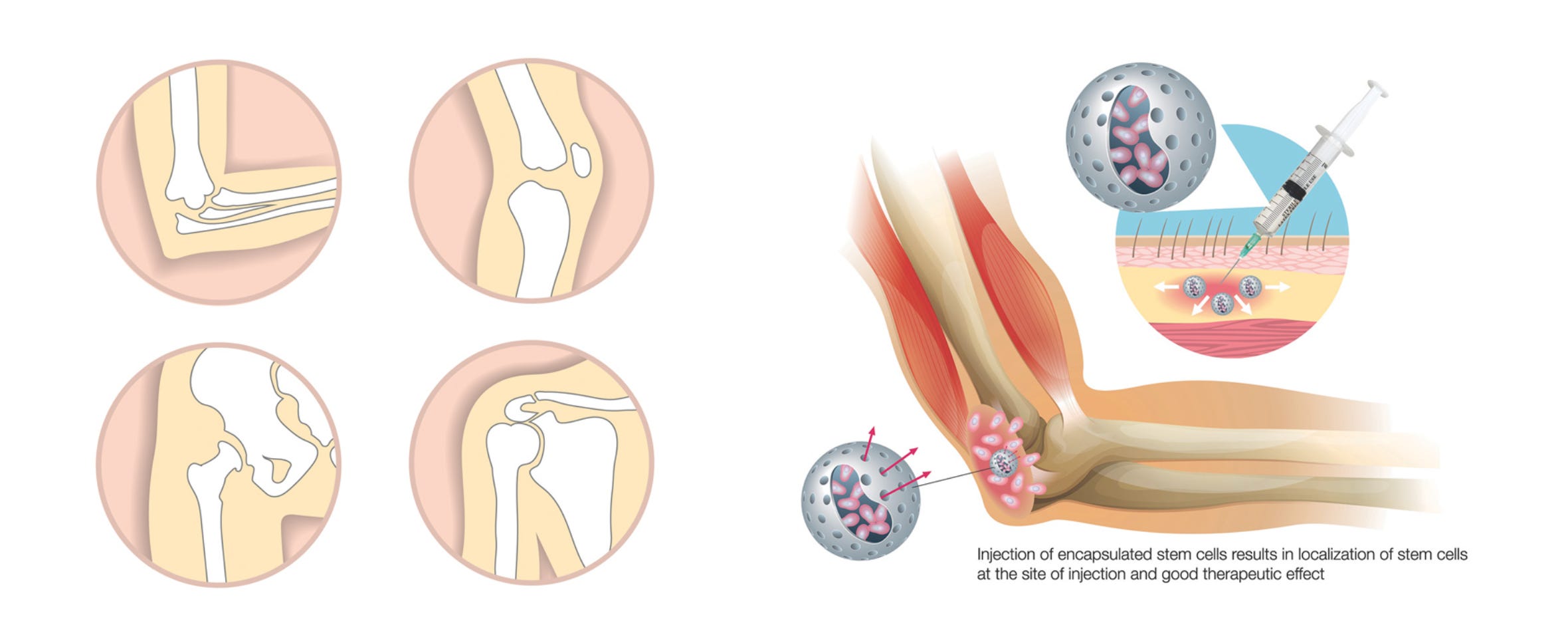
The curiosity that drives human innovation has led us from relying on horses for transportation to electric-powered vehicles. In the realm of health, innovation has helped us develop stem cell treatments for arthritis. Yet, this same curiosity now fuels the advance of AI, raising questions about the ethical frameworks guiding its evolution.
I can't help but ponder whether we, as a collective society, are considering the potential unintended consequences of integrating AI so deeply into the fabric of our daily existence, from AI-powered Internet to AI detecting human emotion and expression to, some going as far as to push the idea, accepting AI as our mind children.
Could the oversight of ethical boundaries in
AI development lead us down a path we might later regret?
My thoughts meander through these questions, underlining a sense of apprehension that assumes all advancements in AI will result in a net positive for humanity. It’s hubris to believe
This concern isn't about resisting change or innovation. It's about urging for a mindful and informed approach to AI's role in our lives. The conveniences offered by AI, in doing away with mundane, menial, and tedious tasks, are undeniably appealing.
However, this convenience shouldn't blind us to the 'unknown unknowns' — the unintended consequences that accompany every major leap forward.
History is replete with examples of innovations that had unforeseen side effects. Look at Covid and the gain of function research — reminding us of the importance of approaching AI with caution and mindfulness.
It’s crucial to find a balance, ensuring that as we integrate AI into our lives, we do so in a way that retains our human agency and autonomy. This is about maintaining a conscious choice over how much we allow AI to coexist with humans and the natural world.
For those of us who are deeply entrenched in the tech industry and perhaps a bit too eager to embrace each new development, it's vital to pause and consider the long-term implications of our creations.

This is not about succumbing to fearmongering or dystopian predictions but about advocating for a proactive, thoughtful engagement with technology.
Recognizing the fundamental difference between Humans and AI is key—we are beings with souls and we are of the Earth — the natural world, distinctions that technology, as it stands, does not possess.
Let's not merely ride the wave but actively steer our course with intentionality and foresight.
After all, in shaping the future of AI, we are also shaping the future of humanity itself.